All You Need to Understand About D2C Ecommerce: Important Providers for Your Brand name
D2C ecommerce is reshaping just how brands engage with customers, supplying a straight path up for sale and interaction. This design emphasizes the value of branding and reliable advertising and marketing techniques to promote consumer commitment. Secret services such as logistics, inventory monitoring, and information analytics play a vital role in making sure success. As the landscape advances, recognizing these parts ends up being crucial for brands aiming to flourish in this competitive atmosphere. What techniques will verify most effective in this altering market?

Recognizing D2C Ecommerce: What It Is and Why It Matters
D2C ecommerce, or direct-to-consumer ecommerce, represents a transformative change in exactly how brand names engage with their consumers. This design enables business to sell their items directly to consumers without intermediaries, such as dealers or merchants. By getting rid of these intermediaries, brands gain greater control over their prices, marketing, and customer experience.Understanding D2C ecommerce also highlights its relevance in fostering direct connections between customers and brand names. This approach allows for even more individualized marketing approaches and boosted client understandings, enabling brands to customize their offerings based on consumer preferences and actions. Additionally, D2C ecommerce can bring about cost savings for consumers, typically resulting in far better rates compared to traditional retail.As this version remains to advance, it stresses the need for brand names to adapt and introduce, guaranteeing they stay competitive in a significantly digital market. The rise of D2C ecommerce indicates a considerable advancement in the retail landscape, improving customer expectations and brand interactions.
The Relevance of Branding in D2C
In the competitive landscape of direct-to-consumer ecommerce, efficient branding becomes a crucial differentiator for business. Strong branding cultivates customer count on and commitment, vital components in developing a lasting connection with clients. By developing a distinct brand identification, business can effectively communicate their values and mission, making their offerings much more relatable to target audiences.Moreover, branding plays a considerable function fit client assumptions and experiences. A well-executed brand name method not just improves visibility however additionally places the firm as a leader in its particular niche. This can cause higher conversion rates, as consumers are most likely to choose brand names they acknowledge and respect.Additionally, cohesive branding across all touchpoints strengthens brand recognition and enhances customer connections. In the D2C space, where competition is tough, a strong brand name visibility can inevitably result in sustained development and market importance.
Improving Logistics and Inventory Management
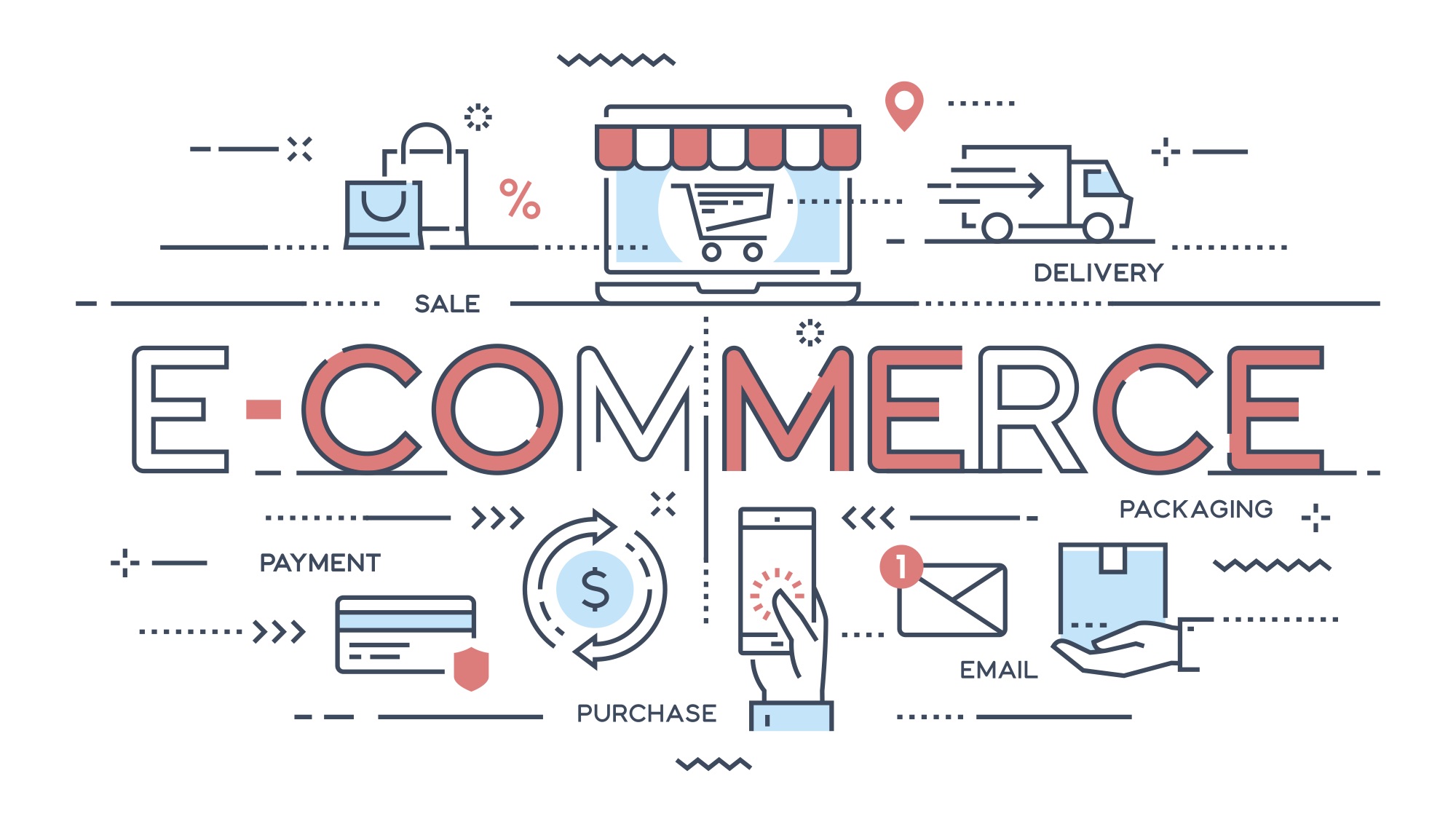
Efficient order satisfaction and real-time stock tracking are essential components of successful D2C ecommerce procedures. By optimizing these logistics procedures, businesses can improve customer contentment and minimize functional prices. Applying reliable strategies in these locations can cause substantial renovations in general performance and competitiveness.
Reliable Order Satisfaction
Real-Time Inventory Monitoring
Exactly how can D2C brands assure they have the appropriate products readily available at the right time? Real-time supply monitoring is necessary for accomplishing this objective. By applying advanced radar, brands can keep an eye on stock degrees across multiple networks, guaranteeing that stock data is up-to-date and accurate. This technology offers understandings into need trends, allowing brand names to prepare for scarcities or overstock situations.Additionally, integrating real-time tracking with logistics can streamline order satisfaction processes, enhancing and reducing delays consumer satisfaction. Brand names can respond swiftly to variations popular, maximizing their supply chain effectiveness. Inevitably, real-time supply tracking empowers D2C brand names to make educated decisions, keep peak stock levels, and deliver a smooth shopping experience to their customers.
Efficient Advertising Strategies for D2C Success
Efficient marketing approaches are necessary for the success of direct-to-consumer (D2C) brand names. Utilizing material marketing techniques, involving on social networks platforms, and forming influencer partnerships can substantially enhance brand name visibility and consumer loyalty. These techniques not only drive web traffic yet additionally foster meaningful links with consumers.
Content Marketing Techniques
As brands navigate the affordable landscape of D2C ecommerce, leveraging material advertising strategies ends up being crucial for developing a strong connection with customers. By producing useful, pertinent material, brands can involve their audience and foster loyalty. Reliable methods include storytelling, where brand names share their one-of-a-kind narratives to resonate with consumers psychologically. Educational web content, such as how-to guides and tutorials, encourages customers with expertise concerning products. In addition, user-generated material motivates neighborhood involvement, allowing clients to share their experiences. Brand names need to likewise take into consideration enhancing their web content for search engine optimization to boost visibility and draw in natural web traffic. Ultimately, a tactical approach to web content advertising and marketing not just promotes products however likewise constructs a brand name identity that customers can associate and rely on to.
Social Media Involvement
What techniques can brands use to maximize their social media interaction in the D2C ecommerce landscape? To boost interaction, brand names must concentrate on creating authentic, relatable content that resonates with their target audience. Using narration strategies can aid humanize the brand name, cultivating a much deeper link with customers. Routinely involving with fans via comments, surveys, and direct messages motivates a feeling of neighborhood and loyalty. Brand names ought to also utilize user-generated content, showcasing clients' experiences to develop reliability and depend on. Additionally, employing targeted marketing can aid reach certain demographics, ensuring content is seen by the best target market. Ultimately, assessing engagement metrics enables brands to refine their methods, ensuring constant renovation and adjustment to consumer preferences.
Influencer Partnerships Methods
Influencer collaborations have emerged as an effective technique for brand names seeking to boost their D2C ecommerce success. By collaborating with influencers who straighten with their brand name values, companies can access targeted target markets and develop credibility. Effective strategies include picking influencers based on target market demographics, involvement prices, and credibility. Brands can likewise leverage numerous material styles, such as unboxing videos, tutorials, or testimonies, to engage consumers. Establishing long-lasting partnerships with influencers fosters trust fund and produces a consistent brand narrative. Furthermore, tracking efficiency metrics like conversion rates and social networks engagement helps brand names improve their methods and make the most of ROI. Eventually, well-executed influencer partnerships can amplify brand presence and drive sales in the affordable D2C landscape.
Engaging Clients Through Individualized Experiences
Exactly how can brands efficiently capture the interest of their consumers in a jampacked digital marketplace? Personalized experiences attract attention as a crucial technique for interaction. By customizing interactions based upon individual choices, brand names can create deeper links with their target market. Using customer data, such as acquisition background and searching behavior, permits brand names to create pertinent web content and product suggestions that reverberate on a personal level.Moreover, customized communication, whether through email advertising and marketing or social media, improves consumer commitment and satisfaction. Sending tailored promotions or birthday greetings can make clients feel valued and valued. Brands can likewise execute vibrant site experiences, adjusting content in real-time to mirror customer interests and habits. These methods not just raise consumer retention yet additionally motivate word-of-mouth recommendations, as satisfied consumers share their experiences with others. Inevitably, involving clients via customized experiences is an important component of effective D2C ecommerce.
Leveraging Data Analytics for Informed Decisions
Utilizing the power of information analytics enables brands to make enlightened choices that drive growth and boost client experiences - D2C Ecommerce Agency. By examining customer data, brand names can uncover beneficial understandings right into acquiring patterns, behaviors, and choices. This details permits organizations to customize their advertising and marketing strategies, maximize product offerings, and improve inventory management.Furthermore, data analytics can identify consumer sectors that are more than likely to transform, enabling targeted projects that reverberate with specific target markets. By monitoring vital performance indicators, brands can evaluate the efficiency of their methods and readjust them accordingly, making sure continuous improvement.The use predictive analytics likewise helps brand names prepare for future fads, allowing them to remain in advance of the competition. Eventually, leveraging data analytics encourages D2C brands to make critical decisions that not only enhance functional efficiency but also foster much deeper connections with their consumers, leading to enhanced commitment and long-lasting success
Developing a Robust Client Support Group
A durable customer assistance system works as the backbone of any effective D2C ecommerce brand name. It improves consumer complete satisfaction and fosters loyalty by ensuring that customer inquiries and concerns are resolved immediately and successfully. Secret parts include several communication channels, such as chatbots, e-mail, and phone assistance, enabling customers to pick their recommended approach of interaction.Investing in a knowledgeable assistance group is important, as they should understand the brand's policies and items. Implementing a ticketing system can streamline concern resolution, making certain that no consumer question goes unanswered. Furthermore, utilizing client feedback to improve assistance processes can lead to continuous improvement.Automation tools can boost effectiveness, however human touch stays necessary for intricate problems. Eventually, a well-structured consumer support system not only fixes troubles but likewise develops long lasting partnerships, enhancing the brand name's reputation and driving repeat service in the competitive D2C landscape.
Often Asked Questions
What Are the Common Obstacles Faced by D2C Brands?
Typical obstacles encountered by D2C brands include competition with well established click here merchants, taking care of supply properly, making sure customer retention, steering through digital marketing intricacies, and keeping durable supply chains while adjusting to swiftly changing customer choices and market fads.
Exactly how Do I Pick the Right Ecommerce Platform?
Selecting the appropriate ecommerce platform entails assessing elements like scalability, customer experience, assimilations, and support. It's vital for brands to straighten system functions with their certain requirements to assure ideal capability and growth possibility.
What Repayment Choices Should I Offer Clients?
When picking repayment options, it is vital to think about client choices. Supplying varied approaches, such as charge card, digital pocketbooks, and buy-now-pay-later solutions, can boost the shopping experience and possibly enhance total sales.
How Can I Guarantee Product Top Quality in D2C?
To guarantee item quality in D2C, brands need to execute strenuous quality assurance processes, source products from reputable providers, conduct routine product screening, and gather client feedback to continuously improve their offerings and maintain high standards.
What Lawful Considerations Should D2C Brands Be Conscious Of?
D2C brand names need to consider various legal aspects, including customer security regulations, data privacy regulations, copyright rights, and compliance with advertising and marketing standards. Comprehending these aspects helps reduce risks and ensures a sustainable company operation. D2C ecommerce, or direct-to-consumer ecommerce, stands for a transformative shift in just how brand names engage with their consumers. By removing these intermediaries, brand names get greater control over their prices, advertising, and customer experience.Understanding D2C ecommerce likewise highlights its importance in promoting direct relationships between customers and brands. By producing an unique brand identification, business can efficiently connect their worths and objective, making their offerings much more relatable to target audiences.Moreover, branding plays a substantial duty in forming client assumptions and experiences. Utilizing client information, such as acquisition history and browsing habits, allows brands to produce appropriate web content and item referrals that resonate on an individual level.Moreover, personalized communication, whether via e-mail advertising and marketing or social media, boosts consumer loyalty and contentment. By monitoring key efficiency indications, brand names can analyze the efficiency of their techniques and change them appropriately, making sure continual improvement.The use of predictive analytics additionally aids brand names anticipate future fads, enabling them to stay ahead of the competition.
Comments on “D2C Ecommerce Agency vs. Traditional Retail Partner: Which Should You Choose?”